Making It Happen!
Achieving Good Outcomes for Learners
with Physical Disability
Scroll down to get started

There are many excellent resources to support the writing of person-centred outcomes for learners with SEND. However, for children and young people with a physical disability, many of whom also have additional needs, there are further considerations. These need to be fully understood to ensure the long-time educational journey for an individual with physical disability (PD) is successful, and is crafted to address an individual’s unique/specific needs and requirements. For learners with PD outcomes should:
- be ambitious and coherently planned;
- have clarity about what everyone is aiming for;
- be sensitive to the opinions and feedback of the individual and their family;
- recognise and facilitate individual therapeutic interventions which are essential and in the best interests of the learner’s health and mobility;
- meet the duties of the SEND Code of Practice which sets out the requirement for high quality person-centred outcomes and a focussed approach.
By the end of this resource, you will understand:
- why a person-centred outcome approach is particularly important for children and young people with a physical disability;
- what a good outcome for a child or young person with a physical disability looks like;
- how to be better able to gather the views of child or young person with a physical disability;
- how to write and achieve good person-centred outcomes for children and young people with a physical disability;
- where to go to for more advice and support.
It will take around 25 minutes to complete.
To get started, fill out the form below:
My details
Section 1: What is an outcome-focussed approach for learners with a physical disability (PD)?

What is an outcome?
An outcome is defined as ‘the benefit or difference made to an individual as a result of an intervention’. DfE SEND Code of Practice (2015)
What is an outcome-focussed approach?
An outcome-focussed approach is a long-term strategy which is designed to build knowledge and skills and equip the individual learner with the cultural capital they need to succeed in later life, learning and employment.

All this may sound daunting! Put more simply, it is the changes we can make to support an individual through their learning journey by planning and creating opportunities, not solely related to academic achievement and progress, that lead to change.
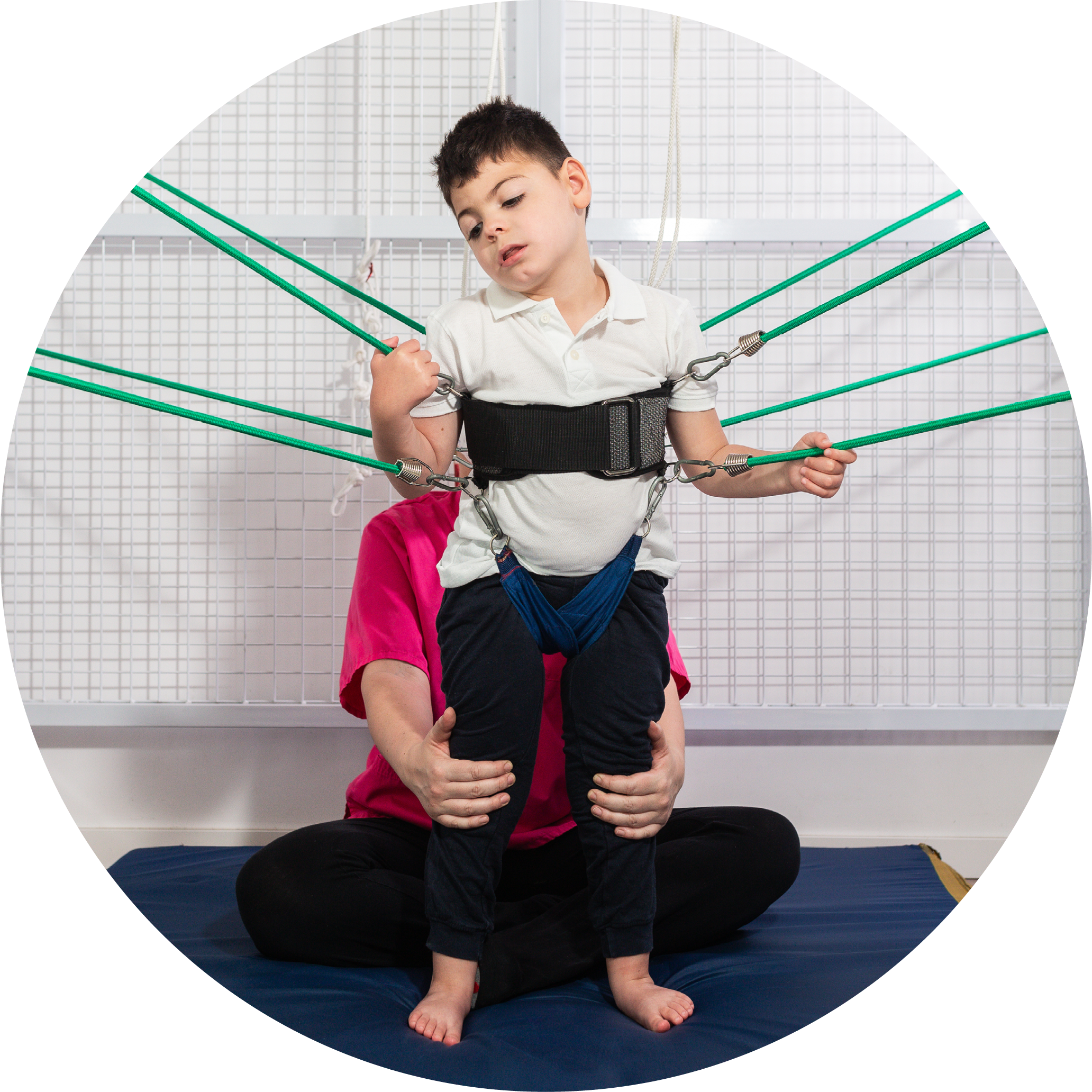
For learners with PD, we need to recognise that they are likely to have fine motor, gross motor, communication and/or mobility needs that may require significant therapeutic intervention delivered during the school day. This could include physiotherapy, occupational therapy, speech and language therapy and/or programmes related to sensory needs.
These needs cannot be overlooked and must be identified, considered within this process and incorporated into outcomes, as appropriate.
Click below to uncover some challenges for learners with PD which their peers do not experience:

Developing independent mobility, e.g. may require equipment and mobility aids.

Holding and manipulating objects, e.g. use adapted pens and other equipment in the classroom.

Playing and exploring the world may be limited, e.g. have gaps in their understanding and knowledge of the world.

Articulating speech and communicating, e.g. may limit their ability to interact and talk with peers and adults.
Learners with degenerative and life-limiting conditions - a special case
Remember that some learners with PD may have a degenerative condition that results in the gradual loss of skills / deterioration in their physical health. For these learners and their families, the process of considering and developing outcomes needs sensitive and empathetic handling.
For learners with a degenerative, life limiting conditions outcomes should support them as needs change and the process realigned in relation to these changes.

So that learners with PD are equipped for later life, outcomes should...
O
Reflect the views of a child or young person and their family, articulated from their perspectives.

U
Be aspirational yet realistic.
T
Relate to overall development and therapeutic needs, particularly maintaining/developing health and well-being.
C
Develop, maintain or strengthen mobility, including hand function and fine motor control.
O
Prepare individuals for adult life and for being as independent as possible.
M
Build on something that is working well or make changes to things not working well.
E
Help determine the provision needed and whether it can be provided by adapting the school's core offer.
S
Set out a holistic, multiagency approach, e.g., physiotherapy, speech and language therapy.
Click below to uncover some challenges for learners with PD which their peers do not experience:
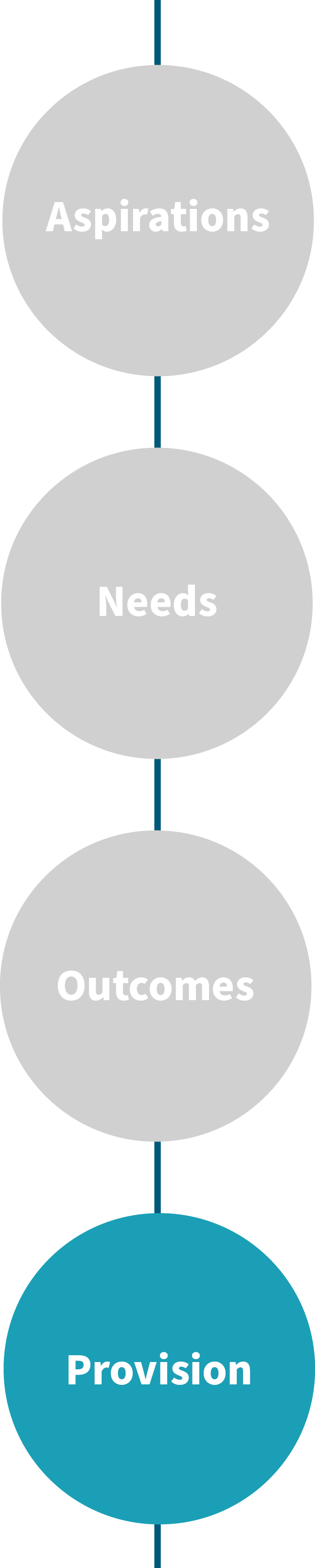
Aspirations
The learner’s and their family’s realistic hopes dreams and aspirations for the future.
Needs
The learner’s needs and requirements, especially the need to maintain their health, mobility and wellbeing.
Outcomes
The difference made to an individual resulting from careful planning and delivery of support and interventions.
Provision
What needs to be provided and put in place to meet a learner’s needs. This is both in terms of educational, healthcare and therapeutic needs, enabling the outcomes to be achieved.



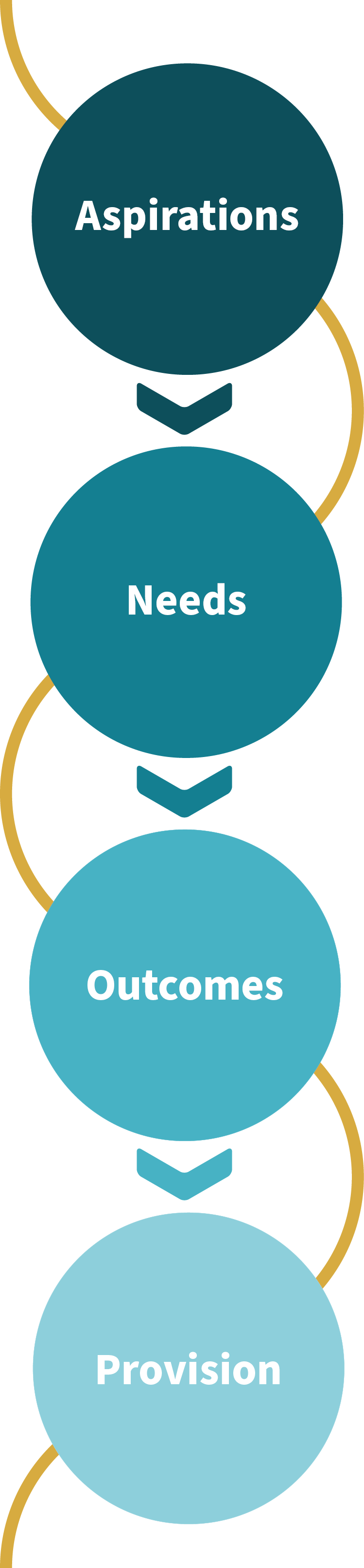
These four elements are seen as the key steps on the journey to the learner achieving their aspirations.
They should be connected by a ‘golden thread’ which guides the learner, and all involved in their education to realise these aspirations by developing person centered outcomes.
Person-centred outcomes that are well delivered will support learners with PD to maximise or optimise their health and physical skills, make progress and work towards achieving their aspirations for the future.
Section 2: Why are the 'right’ person-centred outcomes crucial for learners with PD?
Whilst there are similarities between developing person-centred outcomes for all learners with SEND, there are additional and possibly unique considerations that need to be made for learners with PD.
An individual’s needs and requirements arising from their physical disability or needs can be more complex and challenging resulting in a profound impact on their experience of education.
Their route to independence, learning journey and/ or rate of progress may be different from their peers.
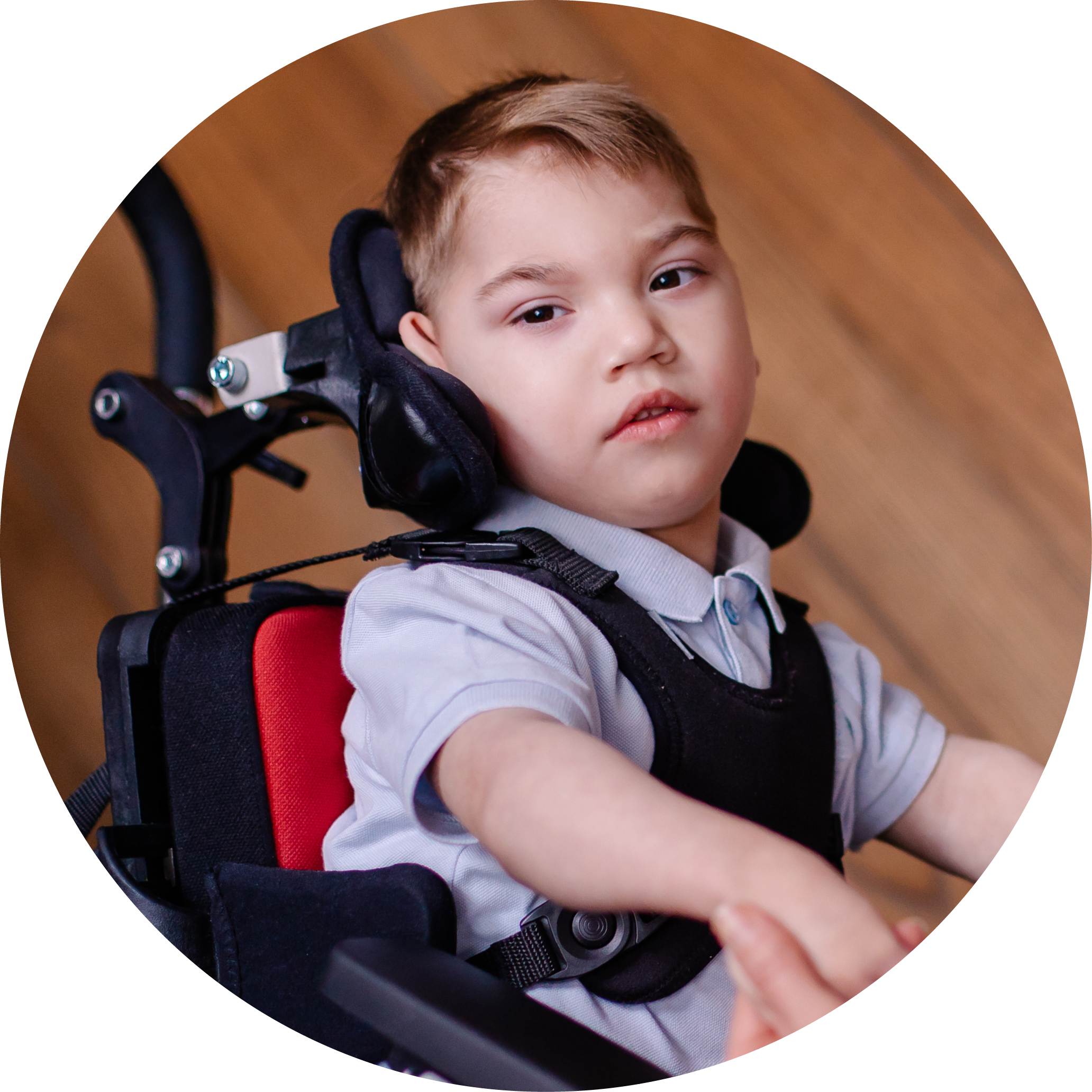
Remember, we cannot support learners with PD to achieve person-centred outcomes if we don’t understand three fundamental things:
- What is important to them. This might be quite different from what other learners of the same age might think is important.
- What their aspirations for the future are.
- What their individual needs and requirements arising from their physical disability are.
Section 3: How can we learn about the aspirations of learners with PD?
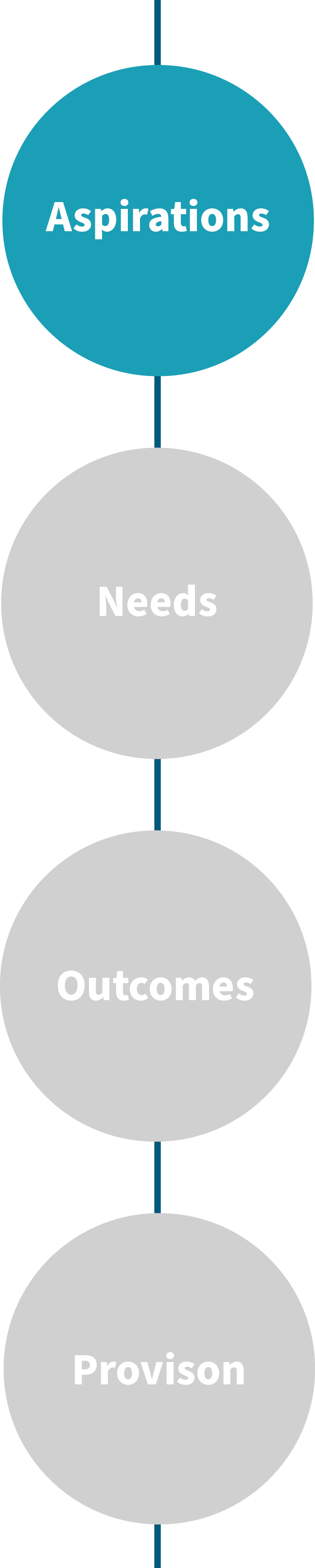
All children and young people have hopes and dreams about what they wish to achieve for themselves in the future. These are called aspirations.
We want to encourage young people with PD to dream big but have realistic goals.
It is thought that raising aspirations helps to incentivise learners and lead to improved attainment. Raising aspirations in isolation will not be effective; they need to be linked to targeted outcomes and steps on their journey.
Click below to read some aspirations from young people with PD.
-
Tom, aged 4
"I want to be able to ride my bike around the playground."
Condition: Spina bifida
-
Rubina, aged 8
"I want to be able to do joined-up writing with a pen so I can get my pen license."
Condition: Cerebral palsy
-
Katie, aged 13
"I want to be the first wheelchair user in space."
Condition: Spinal muscular atrophy
-
Jordan, aged 13
"I want to play for the England cerebral palsy football team and play in international matches."
Condition: Hemiplegia and epilepsy
-
Joey, aged 15
"I want to become an MP and represent disabled people."
Condition: Spastic quadriplegia
-
Ravi, aged 17
"I want to pass my driving test so I can drive myself to college."
Condition: Muscular dystrophy
How do we gather information about a learner’s aspirations?
There is lots of information available to support gathering the views, hopes and aspirations of children and young people with SEND, including learners with PD. The approach you take and the questions you ask will depend on the child’s age, language level, communication skills and access strategies. Whatever approach you take, it will take time to fully explore this with the learner and their family.
When gathering information, it is important to make time to have a relaxed person-centred conversation. This can be recorded in lots of different ways and the learner may or may not need to be supported by an adult to scribe/use software or alternative access strategies e.g. high- or low-tech augmentative and assistive technology (AAC).
Click on each heading below to learn more about gathering information from learners with PD:
Some examples of the approaches used:
- On a pro-forma with questions viewed in advance;
- Visually using symbols, images or icons along a timeline;
- Visually by drawing or painting pictures along a timeline;
- Powerpoint presentation
- Specialist software, e.g., a clicker to write and add images.
Whatever approach is taken to gather this information, it is important to avoid potential traps that it is easy to fall into related to common misconceptions about learners with PD.
- The child needs an adult to speak on their behalf;
- Children who are nonverbal cannot share their views and opinions;
- It may be upsetting for the child and family to think about their future;
- The parent knows more than the child about what is best for them;
- The child can’t understand questions about their future;
- School staff know what’s best for the child, educationally.
Reality check #1
A child can express their views if given the tools and support to do so. Some children may need access to augmentative and alternative communication strategies e.g. use of symbols, voice output devices, etc.
Reality check #2
It may be that there needs to be a shift in attitude towards what learners with PD can do, supported by cultural change. This may mean changes in ways of working, relationships and having different but learner-centred conversations.
Reality check #3
The child or young person and their families must be able to participate as fully as possible in sharing aspirations and, if necessary, they must have access to appropriate equipment, resources and support to achieve this.
Section 4: How can we integrate the healthcare and educational needs of the learner with PD into outcomes which support their journey to adulthood?
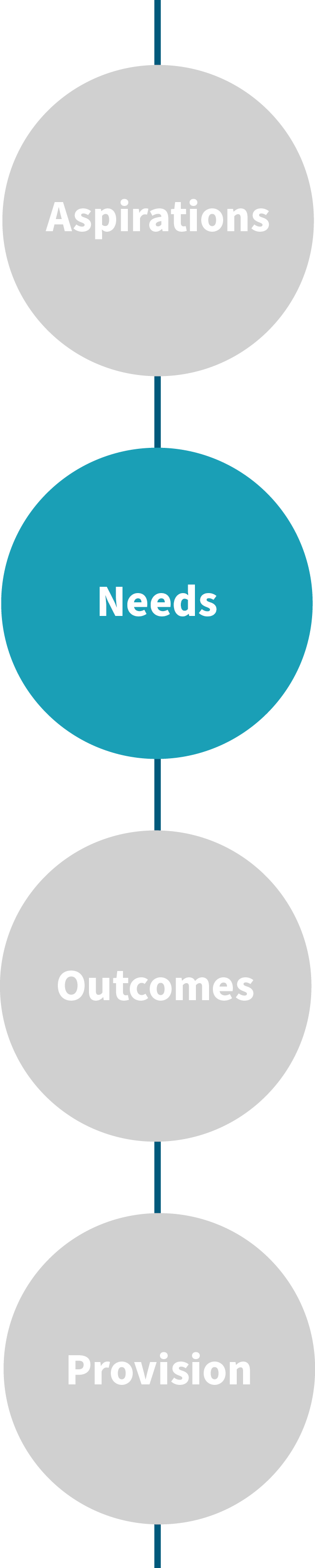
At the same time as finding out the views of the learner and their family, it is also important to find out their needs and any additional requirements. Having a clear picture of the learner’s profile of needs alongside their aspirations will help inform planning and delivery of effective outcomes.
- cognition and learning needs;
- sensory processing needs;
- sensory needs e.g. visual impairment, hearing impairment, multisensory impairment;
- speech language and communication needs;
- autistic spectrum conditions;
- social, emotional and mental health needs;
- increased likelihood of social disadvantage or poverty;
- cultural needs;
- the learner themselves;
- parents/carers;
- healthcare professionals - directly or looking at assessments and reports;
- education professionals - directly or looking at assessments and reports;
- Education Health and Care Plan (EHC Plan/My Plan), as appropriate;
- Individual Healthcare Plan (IHCP), as appropriate.
Having a clear picture of the learner’s profile of needs alongside their aspirations will inform your planning and delivery of effective outcomes.
Without a good understanding, there is a danger of imposing your own ideas or steering the conversation towards school driven outcomes. The focus should not solely be on teaching and learning outcomes but take a holistic view of the learner.
Remember, the needs of learners with PD can be multiple and complex so there is a challenge to meeting them. For many school staff this may be outside their experience and comfort zone, requiring changes to standard ways of working and different types of conversations.
Best practice requires a multiagency approach involving parents/carers, educational, health and social care professionals, as appropriate, working as a team around the child.
School staff may require advice, support, training and coaching from professionals in this multidisciplinary team.
Reality check #1
A child can express their views if given the tools and support to do so. Some children may need access to augmentative and alternative communication strategies e.g. use of symbols, voice output devices, etc.
Reality check #2
It may be that there needs to be a shift in attitude towards what learners with PD can do, supported by cultural change. This may mean changes in ways of working, relationships and having different but learner-centred conversations.
Reality check #3
The child or young person and their families must be able to participate as fully as possible in sharing aspirations and, if necessary, they must have access to appropriate equipment, resources and support to achieve this.
Click here to see some examples of situations where learners with PD have complex needs:
Click or touch here
have gaps in their knowledge of the world around them as they may not have had the expected life experiences as their peers
use their bodies very differently to their peers, e.g., use their feet or their head to control a mouse rather than their hands
have low self-image and self-belief because of the differences between their and their peers’ bodies
feel isolated and different from their peers, e.g., they may be the only wheelchair user in their school
need support with personal care needs, e.g., eating, drinking, continence
may be learning to use equipment to increase their independence, e.g., to drive a power chair (electrically powered wheelchair)
have worries and concerns related to understanding their disability and what that means for their future

Section 5: How can we work together to plan the best possible educational and healthcare outcomes for learners with PD which support their journey to adulthood?
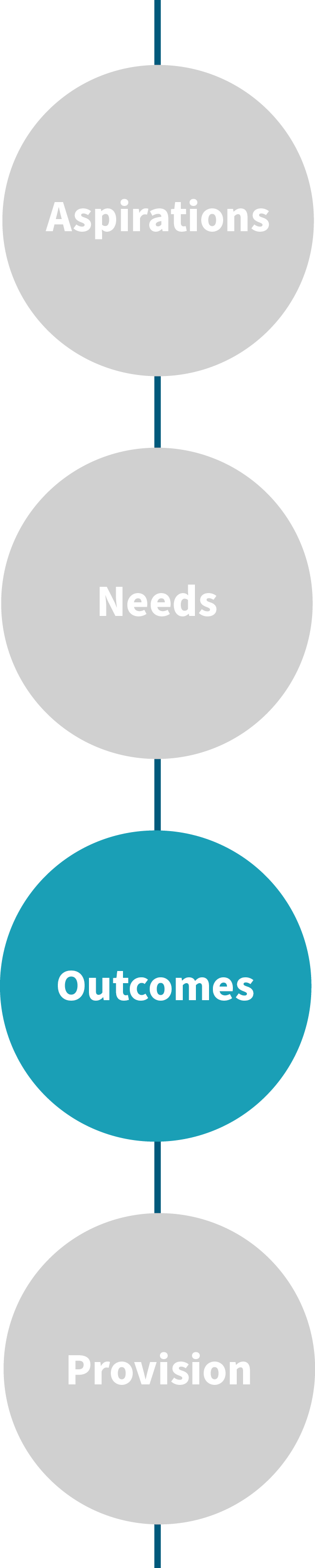
Once you discover the learner’s aspirations and have a clear picture of their needs, the next step is to plan relevant and achievable person-centred outcomes.
For some learners, particularly those with complex physical needs, it can be difficult to identify how many outcomes, or which to prioritise. You should aim for a few, well-crafted outcomes and focus on these rather than lots of outcomes that are not connected.
A good balance is to identify some short-term and long-term outcomes that need to be to be achieved within a specified time frame e.g. by the end of a year group or phase of education.
When planning a learner’s outcomes, you should be innovative and explore all possibilities. Here are some useful steps to help you plan:
- Agree on the long-term aspiration(s) that the learner is going to work towards
- Identify the learner’s starting point in relation to the aspiration(s)
- Break down the aspiration(s) into smaller steps, with each one becoming an outcome which the learner will need to achieve to reach their aspiration
- Plan specific things the learner will need to do, experience or learn in the short and medium term to work towards their long-term aspiration(s)
- Remember to consider what evidence you will need to gather to demonstrate progress. This evidence may be qualitative, based on feedback or observation, or quantitative, based on data
It is important to remember outcomes are not set in stone and should change and adapt to reflect the learner’s changing needs and progress.
For learners with life-limiting conditions, liaise with others and carefully consider how long-term outcomes are phrased. Be aware that changing or palliative care needs, alongside other needs, should be acknowledged, met and integrated into daily care plans in the most sensitive and positive way possible.

Specific
S

Measurable
M

Achievable
A

Realistic
R

Timed
T

Evaluated
E

Reviewed
R
Meet our learners
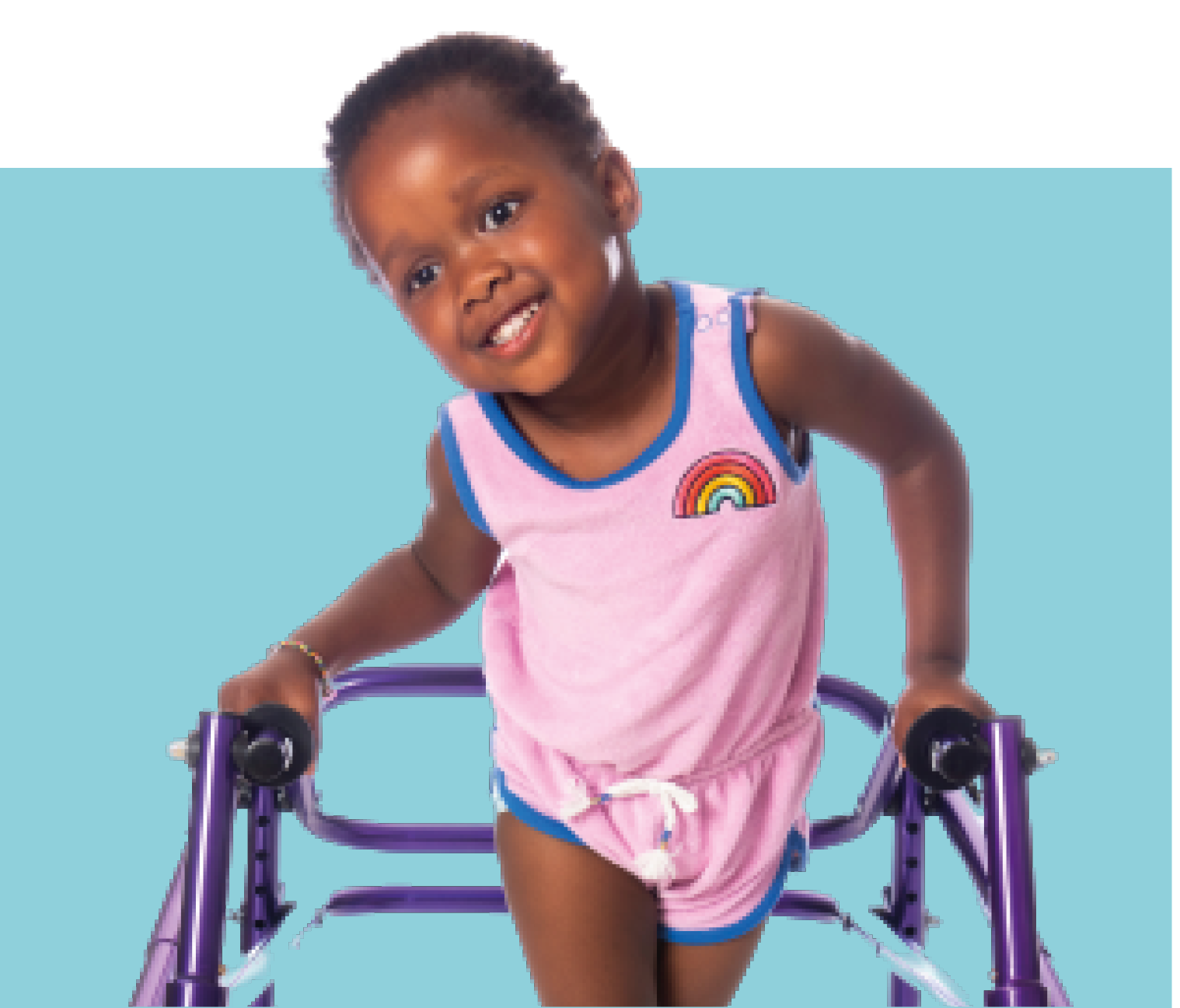

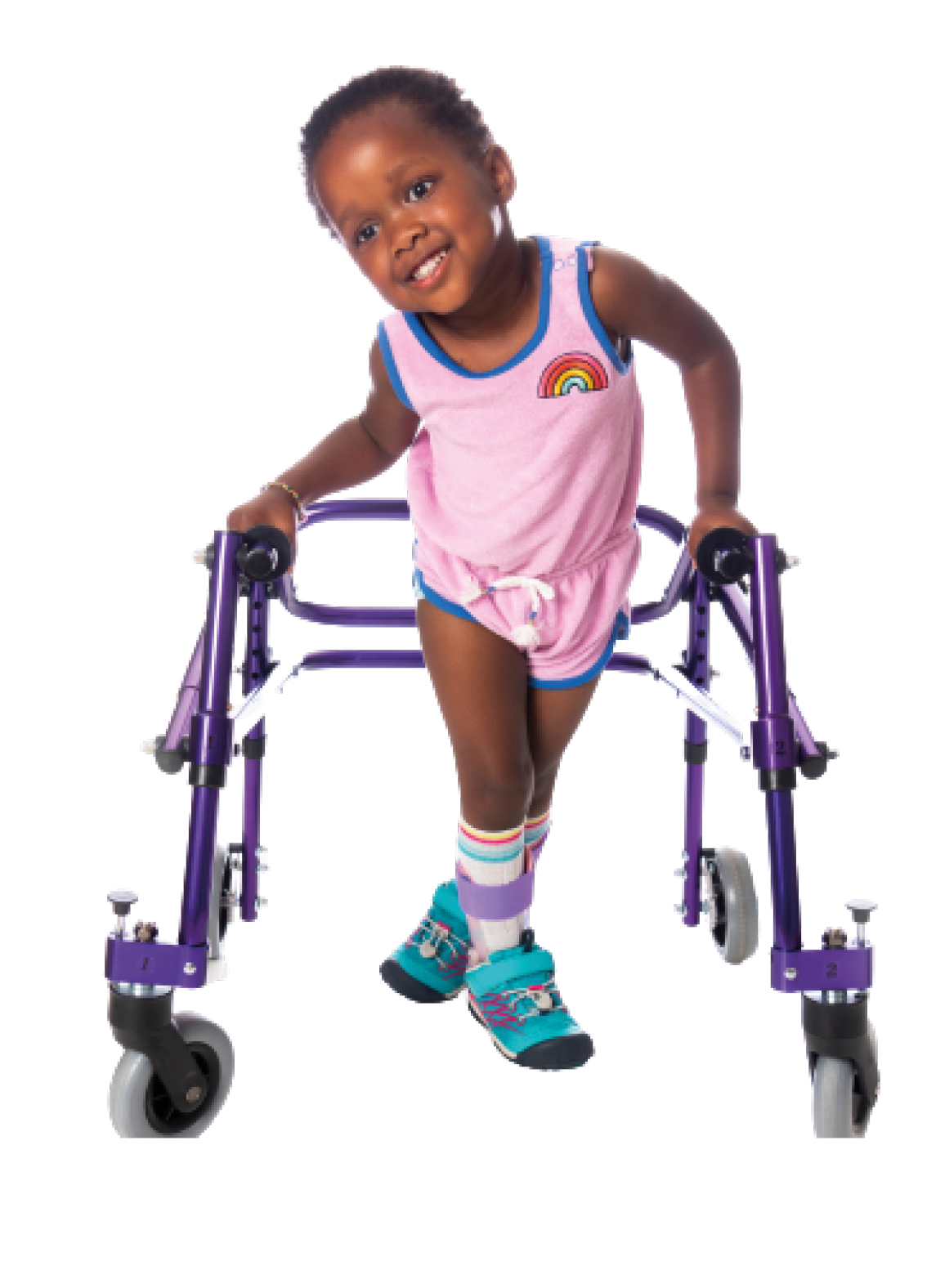
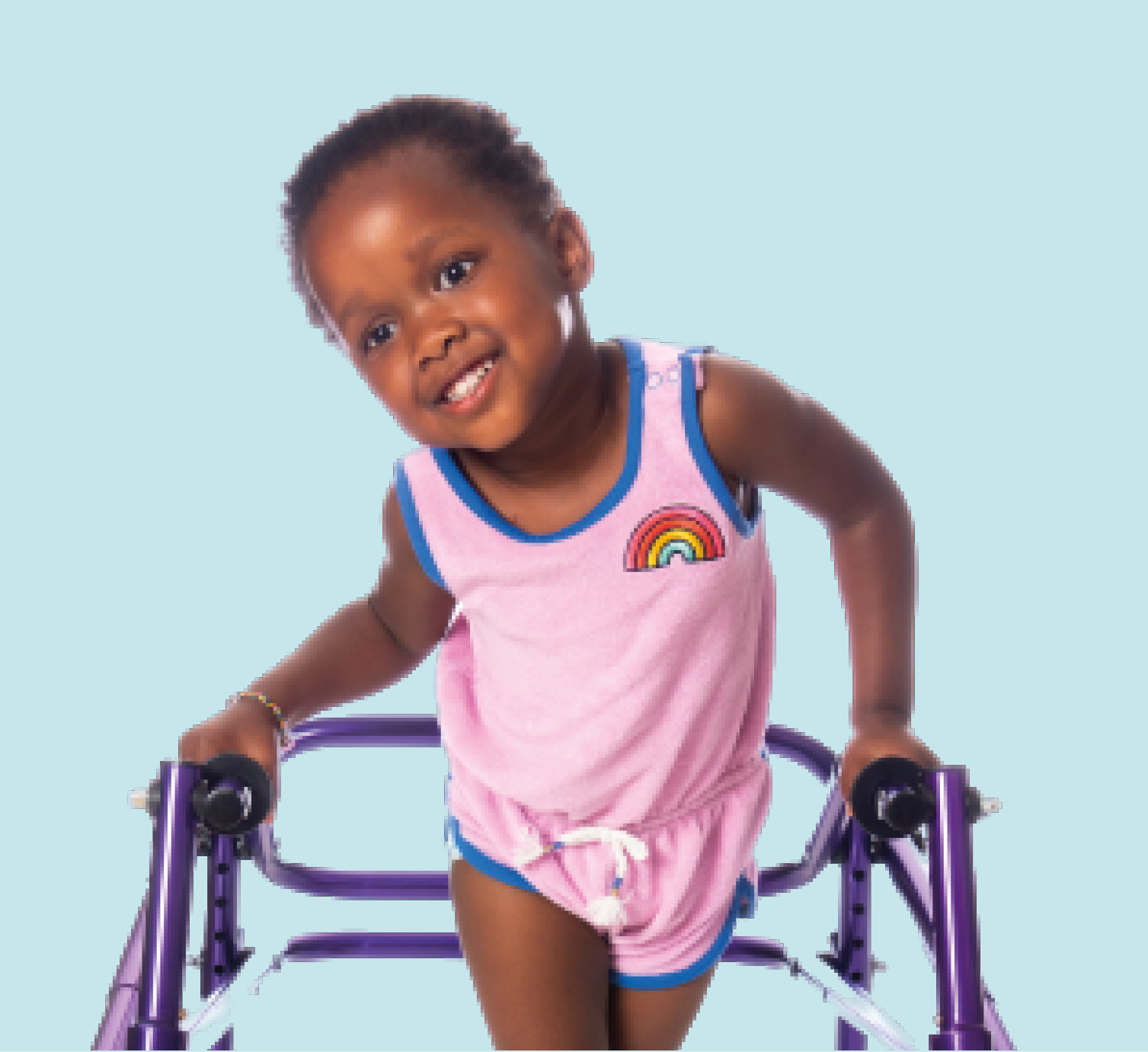
Name: Rosie
Age: 5
Condition: Cerebral Palsy, Spastic Diplegia
Needs
- Expressive communication: unclear speech;
- Mobility: uses a walker;
- Seating and positioning: uses a specialist chair in class for seating;
- Access to the curriculum: uses adapted equipment to access the curriculum and unstructured play.
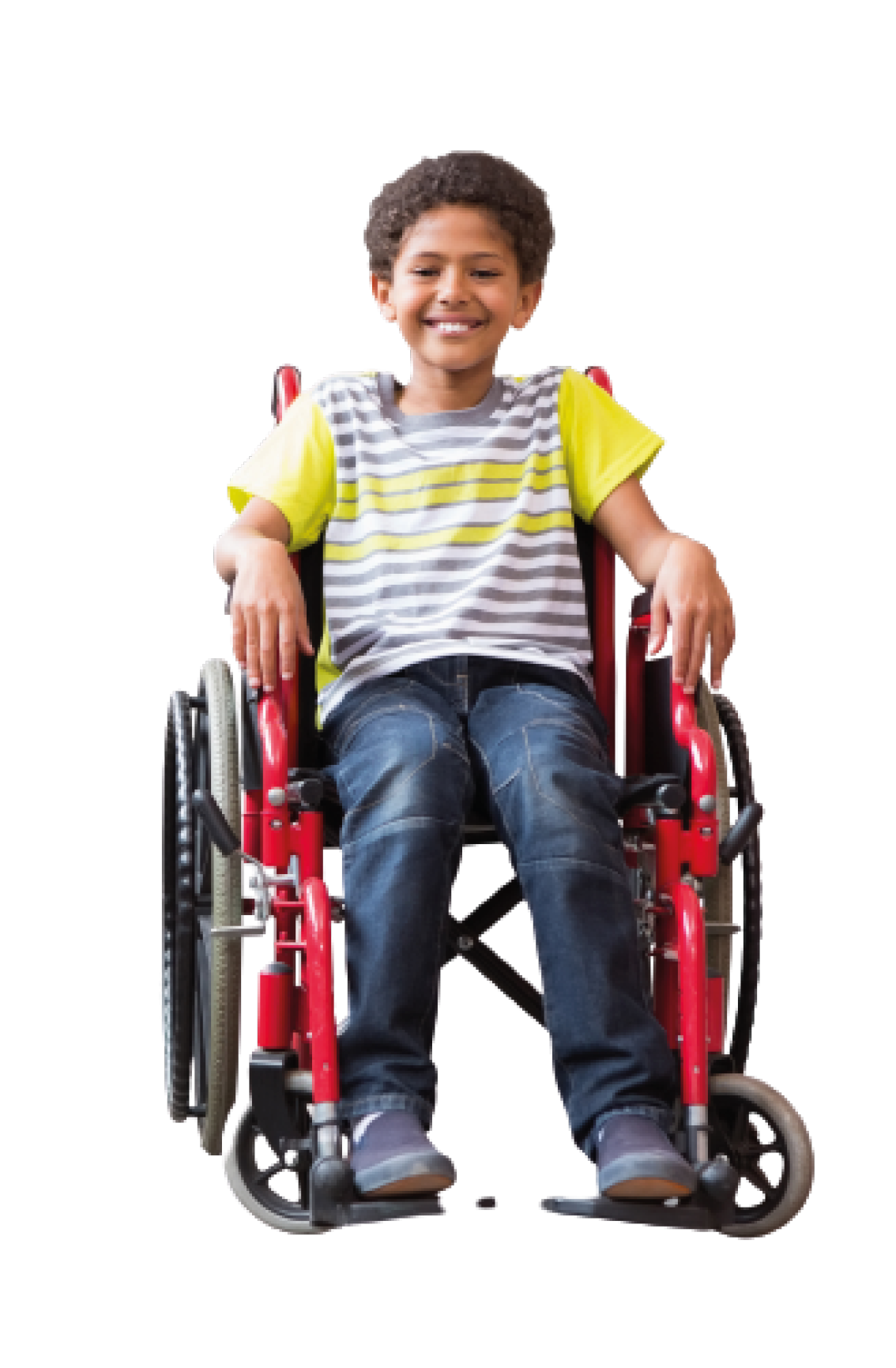
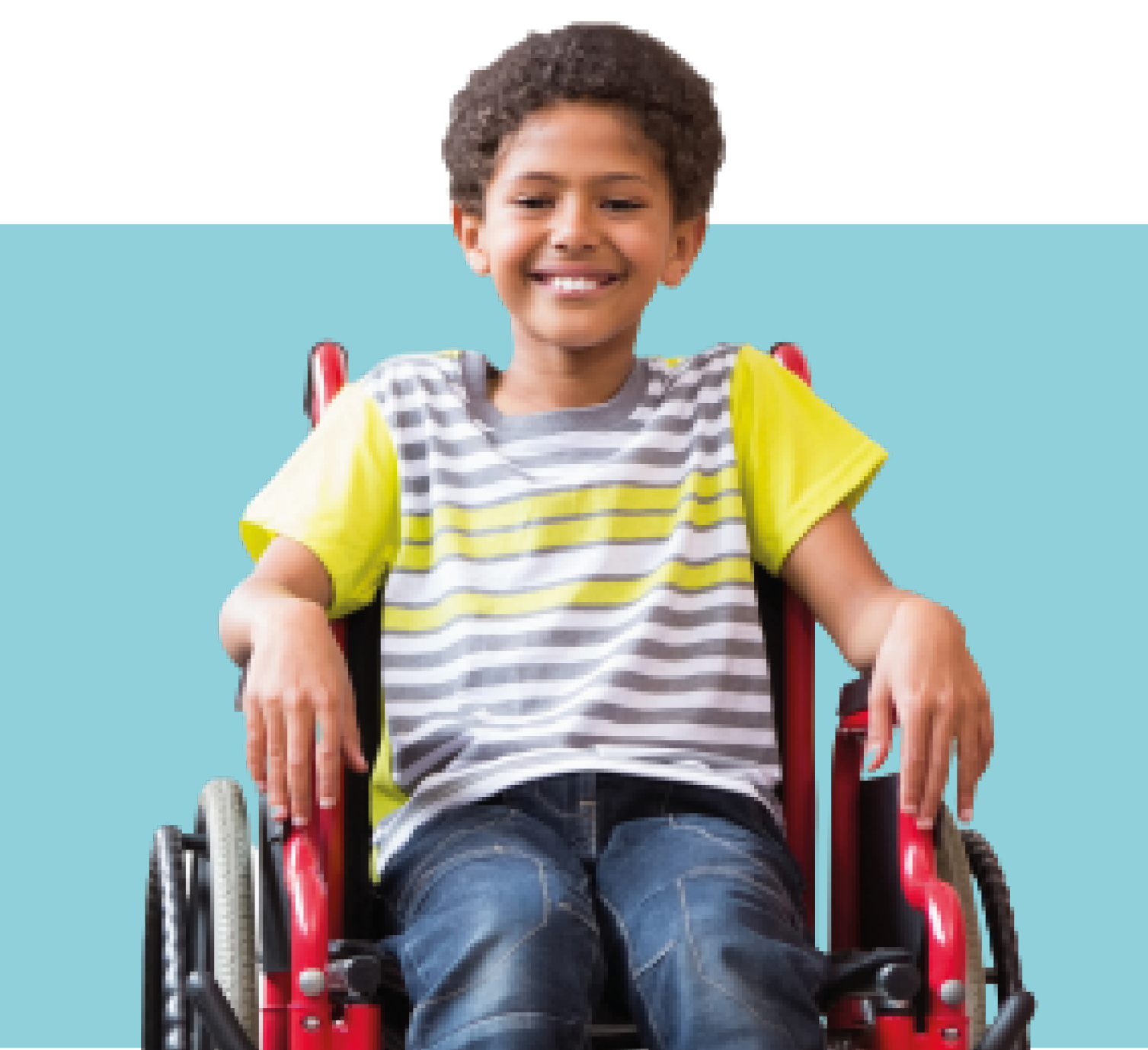
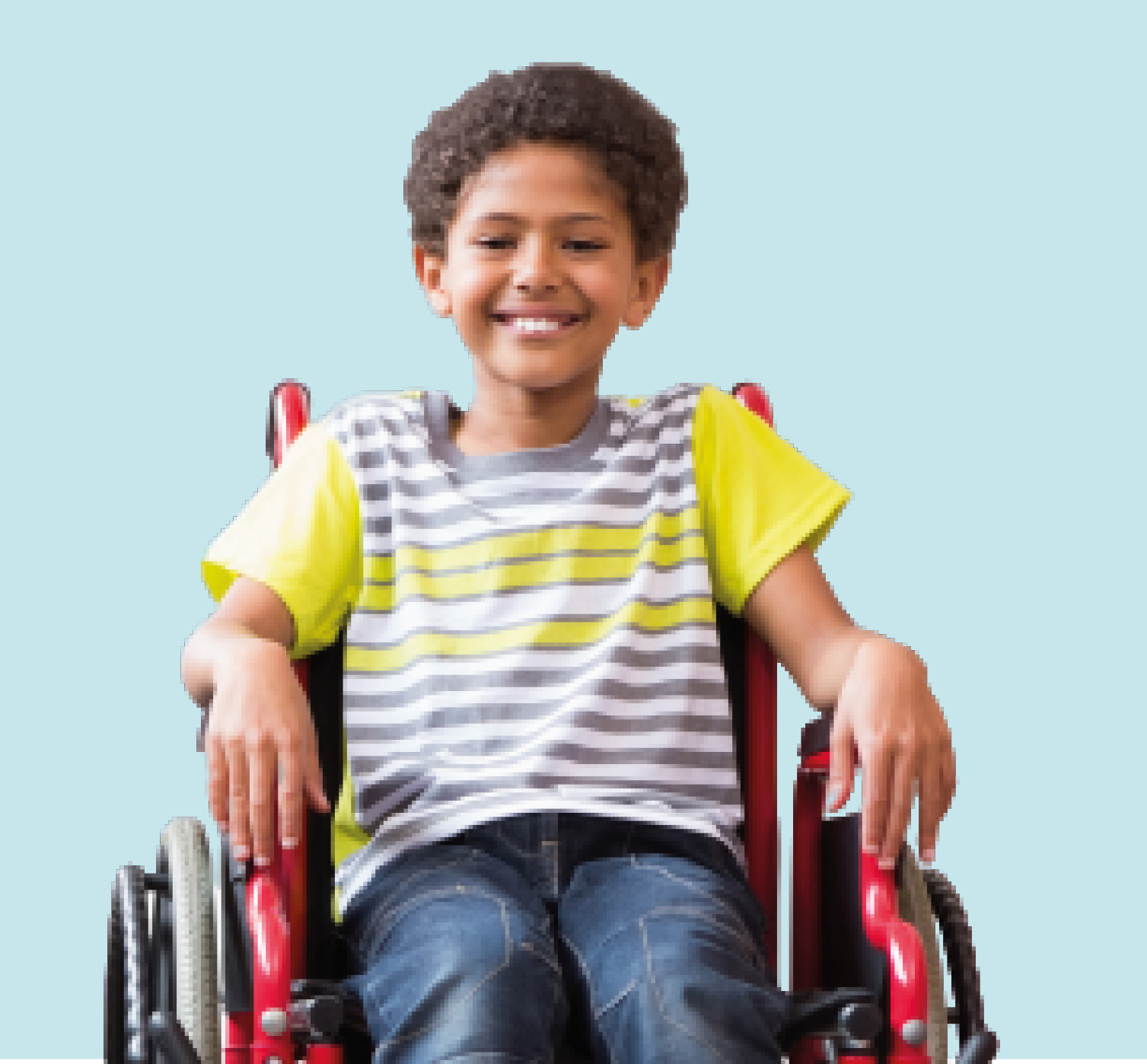
Name: Arif
Age: 11
Condition: Duchanne Muscular Dystrophy
Needs
- Mobility: uses a walking frame;
- Seating and positioning: uses specialist seating;
- Access to the curriculum: uses adapted equipment to access the curriculum;
- Fatigue: fatigue management plan - fluctuating energy levels during the day and week.
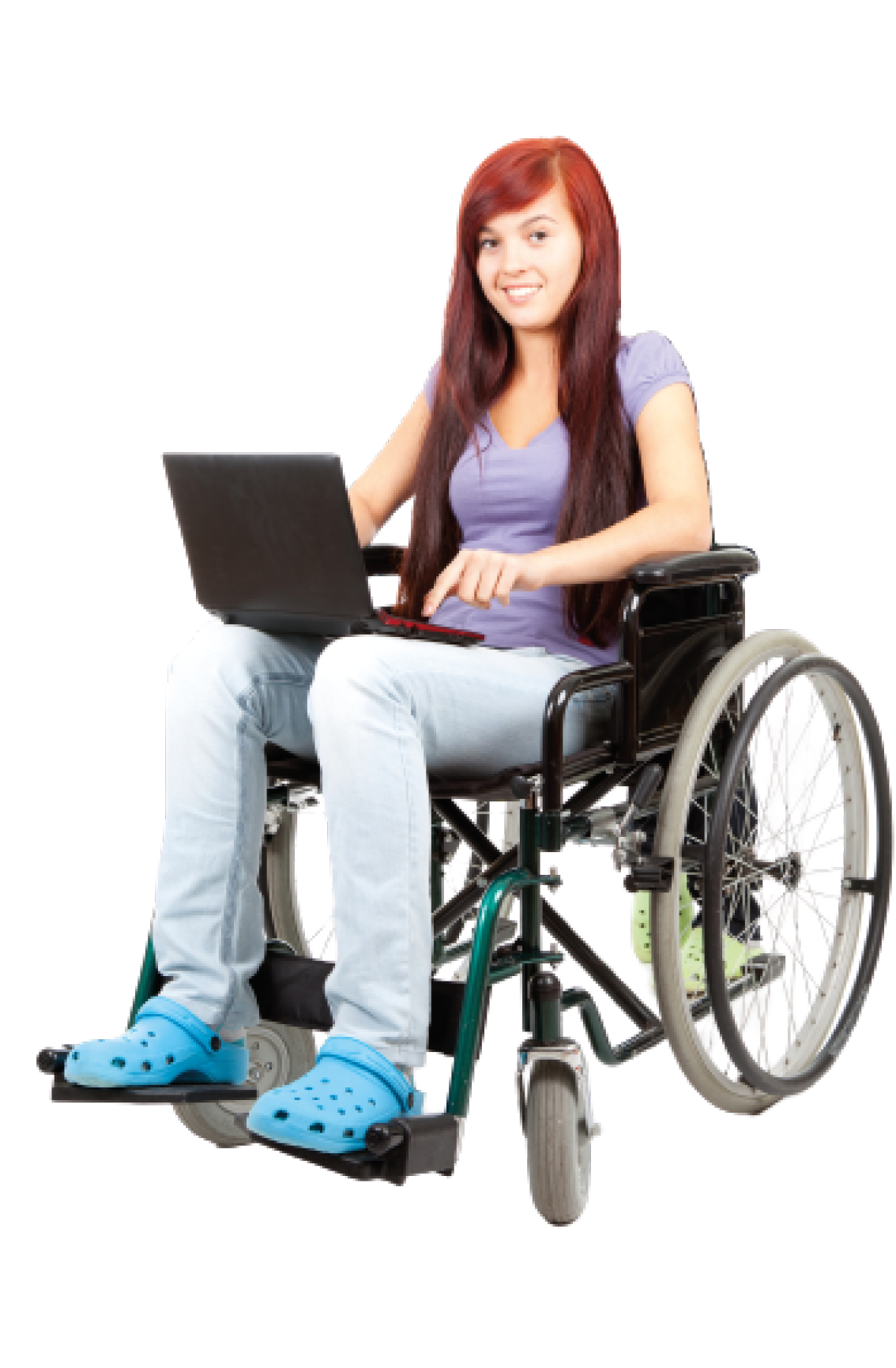
Name: Mia
Age: 16
Condition: Spina bifida
Needs
- Mobility: uses a manual wheelchair;
- Seating: uses specialist seating;
- Access to the curriculum: rise and fall furniture and wheelchair-accessible equipment, e.g., for food technology.
Our learners' aspirations
"I want to have lots of friends"
Rosie's Outcomes
By the end of EYFS I will clearly be able to name three friends and talk about three activities I have had fun doing with them.
"I want to play football"
Arif's Outcomes
By the end of KS3, I will better understand my my health and mobility needs. I will be able to tell others whether it is best to use my power wheelchair or walker to play football.

"I want to get a job in catering"
Mia's Outcomes
By the time I leave Year 11, I will have completed my work experience in catering and gained and Level 1 NVQ in Food Preparation and Catering. I will then be able to study catering at college.
Section 6: How can we determine what provision should be put in place to support the learner with PD to achieve their outcomes?
The next stage is to identify the provision or assistance that is needed to support the learner to achieve their outcomes. It is essential that the provision identified is appropriately targeted and carefully quantified, e.g., specific intervention, time, frequency or support staff required.
It should define in detail what school, health or social care is going to do, put in place or provide in addition to the existing provision, so that the learner can work towards their outcomes.
- What might be the challenges?
- How can we problem-solve these?
- What resources will be needed? Reasonable adjustments? Adaptations?
- When is assistance needed? What does this look like? Who or what can make a difference?
- How can increasing independence be achieved? How do we balance assistance and the need to develop independence?
- Are staff experienced and competent? Is staff training needed? Risk assessments?
Remember 1: For learners with PD, there is likely to be an additional consideration needed in that adult assistance may be required to access the curriculum and school environment so that they are fully included and able to participate like their peers.
Remember 2: That it is important for learners with PD to develop and maximise their independence, and this should be factored into decisions about the level of assistance and how this might change over time.
Remember 3: For some outcomes, this is simply a case of considering what the school already offers and ensuring that the learner with PD has access to these opportunities. However, for other outcomes, the school may be required to offer a new provision or range of provisions for the learner with PD. This requires a flexible and creative approach from schools and their staff.
Remember 4: There are a range of local and national resources and materials available for use to support schools with this.
Remember 5: Provision required from other agencies in the team around the child should be clearly stated for each outcome.
Our learners' provision
Click to see what provision looks like for each of our learners.
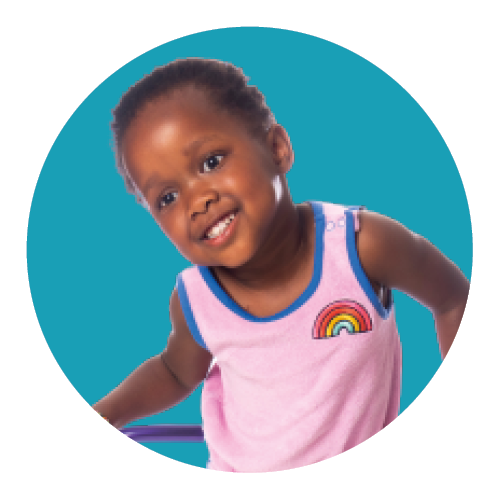
Rosie, aged 5

Arif, aged 11

Mia, aged 16
- All staff to complete pdnet Level 1 training for Early Years. Those providing direct support should also complete pdnet Level 2;
- Daily individual program lasting 10 mins, delivered by a TA to develop speech clarity and breath control as advised by SLT who will visit each term to monitor progress and delivery;
- Daily 15-minute small group (up to 3 children) led by a TA focussing on learning names and turn taking games to build skills that will help Rosie build friendships now and in the future;
- Support with peer–peer interaction at break and lunchtimes, e.g., adults to set up and sensitively supervise fun and accessible playground games;
- SENCO to develop age-appropriate awareness of positive role models with disability, e.g., through displays, books, pictures and other resources, e.g., Playmobil using language with which Rosie and her family is comfortable;
- Paediatric physiotherapist to provide termly advice and physical management plan for Rosie to strengthen her mobility and gross motor skills;
- All staff to ensure that adapted equipment is available and ready to use at all times. Equipment: pencil grip, spring-loaded scissors, chunky paint brushes, light-weight ball and bats, adapted play equipment.
- All staff to complete pdnet Level 1 training for Schools. Those providing direct support should also complete pdnet Level 2;
- Ongoing audit of accessibility around the school site including sports and recreation areas to ensure Arif’s access as required. Refer to pdnet Accessibility Toolkit or similar;
- Modifications as required to Arif’s daily timetable to reduce the impact of fatigue, e.g., reduced or modified homework requirements;
- Appropriate policies, risk assessments and protocols written, implemented and regularly reviewed, e.g., Personal Emergency Evacuation Plan (PEEP), Moving and Handling plan;
- A daily 15-minute physical management session as advised by a physiotherapist, delivered by support staff;
- 1:1 support by a trained and familiar adult to support safe transfers between pieces of equipment and to facilitate safe peer–peer interaction at break and lunchtime;
- Supporting adults to create daily opportunities for Arif to make informed decisions about the equipment he wishes to use in class and at break times;
- A dedicated individual session once a week for 15 minutes with a trusted adult, e.g., football coach, to talk about Arif’s football skill development and performance to plan any additional coaching/explore power chair and inclusive football clubs.
- All staff to complete pdnet Level 1 training for Post-16. Those providing direct support should also complete pdnet Level 2;
- School staff to continue to provide a safe and supportive and inclusive learning environment that allows Mia to interact with her environment in an active way, make progress and achieve alongside her peers as independently and safely as possible;
- In practical activities, teacher to co-ordinate support staff to monitor Mia’s access to the learning task and progress at least every 5 minutes and provide prompts as needed;
- Termly advice from a physiotherapist who will advise Mia, her family and school about how to manage her spina bifida and maintain her mobility and ways to strengthen her leg muscles;
- Termly advice from an occupational therapist who will advise on appropriate seating/equipment for food preparation activities and strategies to manage the implications from her spina bifida by herself;
- A dedicated session once a week for 15 mins with food technology staff to collect Mia’s feedback and plan next steps;
- Support staff available for work experience placement in catering;
Section 7: How can we pull it all together and ‘make it happen’?
Once all the parts along the golden thread have been identified, the last step is to identify when and how the outcomes will be shared and whether any cultural changes are needed in school especially in relation to disability and equality.
Click each heading below to check what else needs to be considered to 'make it happen' in your school.
- Who needs to know (the needs of the learner with PD may require an extensive team around the child)?
- Are new ways of working needed?
- Do staff need training?
- How will school staff and students be equipped to understand diversity and inclusion?
- Have you accessed the pdnet Standards and Action Planning Tool?
- What will your fully inclusive school look like?
- How will the learner with PD and their family be supported and the outcome shared?
- How can the curriculum be adapted to be fully accessible to learners with PD?
- How can the wider opportunities of school life be modified to be fully accessible to learners with PD?
- What do inclusion, access and participation look like in your school?
- Are stages along the golden thread coherent and linked together?
- Will they truly make a difference to the learner with PD journey towards later life?
- What will success look like?
- What does the learner’s journey into adulthood look like across their time in school?
- How will you celebrate achievement?
- How are you going to formally monitor progress towards the outcome?
- How will you routinely monitor the provision you have put in place?
- How can you embed observation and feedback from the learner, their family and staff and find valuable information about how things are going?
- What are the next steps?
- What does independence look like?
Section 8: How do we measure progress?
The good news is this next step should be the easy part and is no different from measuring outcomes for learners without PD. If you have correctly followed the stages of the process and identified precise and SMARTER outcomes, then measuring progress towards them should be clear. There will need to be a formal review process that includes evidence gathering and evaluation of progress towards the outcome.
Information can be sourced from the learner themselves, their learners’ family, healthcare professionals (directly or via assessments and reports), education professionals (directly or via assessments, progress data and reports) or their Education Health and Care Plan (EHCP) or Individual Healthcare Plan (IHCP), as appropriate.
Measuring progress for our learners
"I can name lots of my friends and can talk clearly to others about fun activities I have enjoyed with them in nursery. I can't wait to start school."
"I now choose the equipment that's best for me. I play football at break time and am the goalie. I go to the power chair football club every Saturday morning."
"I'm off to college to do catering. I enjoyed my work experience in the café and now volunteer there on Sundays. Using my special chair for food prep works brilliantly."

Everyone who needs to know, including the learner, parent/carers, school and the team around the child, should know when and how the outcome should be achieved and when it is actually achieved.
Section 9: Where can you find other sources of information and resources?
Other sources of information and support
pdnet provides a range of resources and training which supports positive transition. The offer includes:
- Free online training modules designed for anyone working within an educational setting who needs to develop their awareness and understanding of physical disability and the impact it can have on learning. If you have not already completed pdnet Level 1 training, we recommend that you consider doing that training next.
- Free standards and audit tool to self-evaluate your current provision and identify how to strengthen practice to welcome a learner with physical disability.
- Online pdnet Level 2 training designed to provide support staff with knowledge and understanding of physical disability and how to deliver effective support.
- pdnet Accessibility Toolkit to support review of your Accessibility Plan so you are better able to include a learner with PD.
- A wealth of free resources in the pdnet Effective Practice Hub including feedback forms to collect learner and parent views and transition templates. For example, an Audit Tool to support transition planning.
- The pdnet Forum provides a valued and well-used platform to share information, knowledge and best practice with other physical disability professionals .It can be used to seek advice and support from colleagues around issues related to supporting a learner with a physical disability including transition.
The Council for Disabled Children is delighted to announce the launch of our Holistic Outcomes in Education, Health and Care Plans e-learning. This free, self-guided course takes all the key elements from our popular and well-received live training and repackages it into a series of online modules covering: aspirations, outcomes from children, young people and family perspectives, outcomes from professional perspectives, including writing SMART outcomes, legal considerations, annual reviews.

The National Children’s Bureauoffers a free, self-guided course through a series of online modules.
Helen Anderson Associates offer a number of free resources which support people to be able to write person-centred outcomes using a 7-step process.
Well done, you have reached the end of this online resource!
Here's a recap of what we learned:
- to understand what outcomes are and how they fit into supporting learners to achieve their aspirations;
- to understand the planning that is required to achieve them;
- to understand why person-centred outcomes are particularly important for children and young people with a physical disability;
- to understand what a good outcome for a child or young person with PD looks like;
- to be better able to gather the views of a child or young person with physical disability;
- to know where to go to for more advice and support;
- to feel confident that you can ‘make it happen’.
Feedback form
Please score on the basis 1 = strongly disagree, 5 = strongly agree
Error: Contact form not found.
This training was built and is maintained by the SDSA web team and facilitated by the pdnet support team.